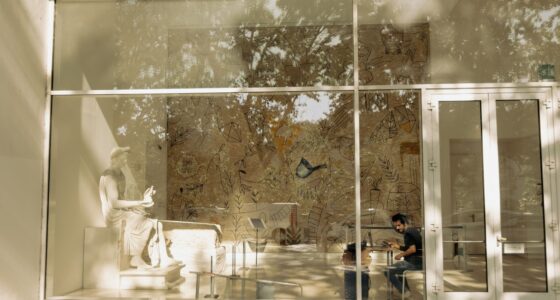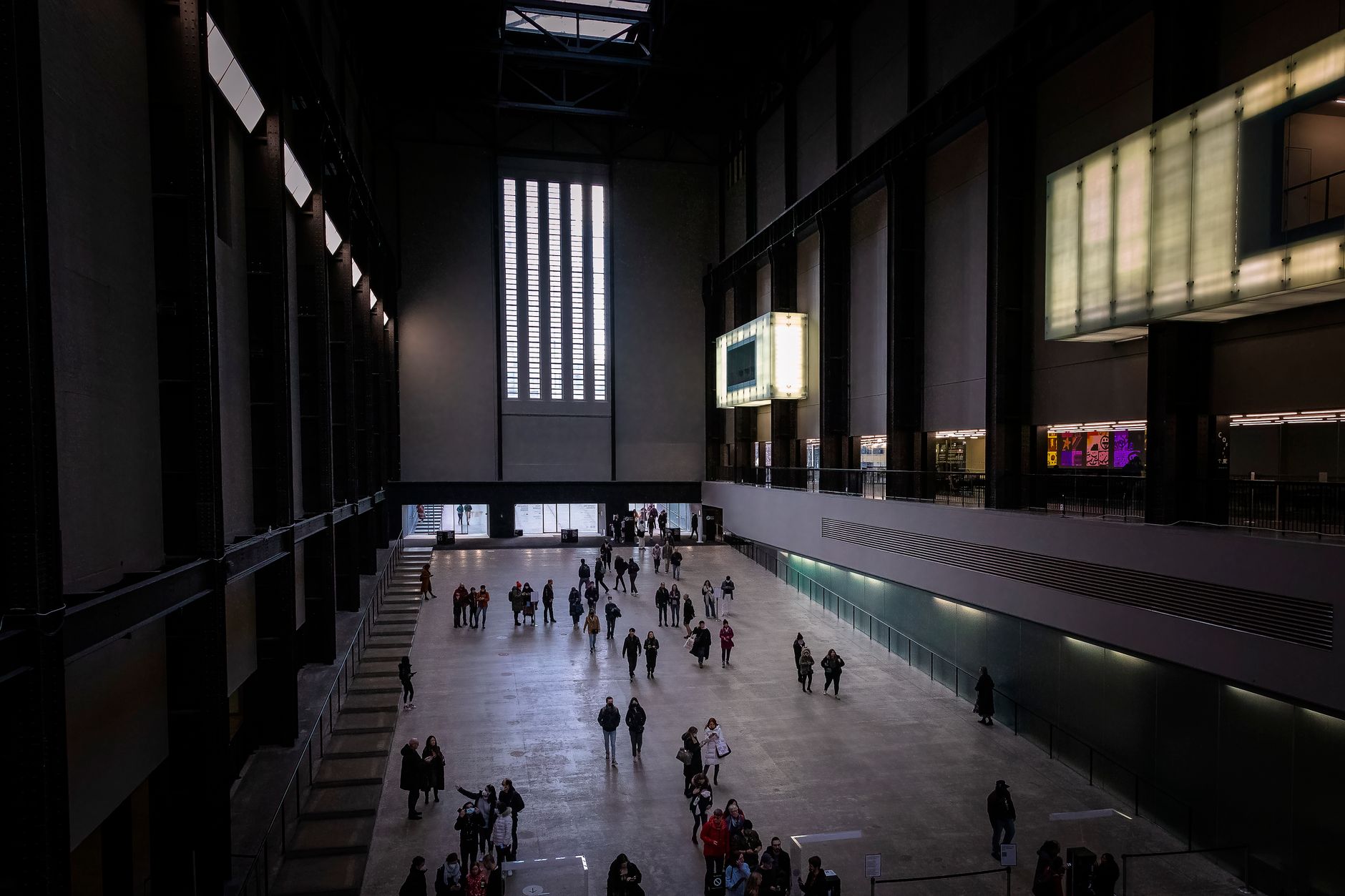

On 29 September 2026, Ekow Eshun, curator of the British Art Show, shared insights into how art can address societal fears of otherness and division. The British Art Show is a significant event in the UK art calendar, held every five years, showcasing emerging artists born or based in Britain. This year’s exhibition, titled “A Chorus of Strangers,” opens in Coventry and features a range of artists, including Alvaro Barrington and recent Turner Prize winners Jesse Darling and Jasleen Kaur. The aim is to explore themes of belonging and identity amidst a backdrop of societal unease.
The exhibition comes at a time when the UK is grappling with complex issues surrounding immigration and identity. Eshun’s approach aims to reflect on how art can serve as a medium to bridge divides and build understanding. The show is produced by Hayward Gallery Touring and will travel to several cities, offering audiences across the UK a chance to engage with these pertinent themes.
British Art Show 10 Themes and Artists
The British Art Show 10, subtitled “A Chorus of Strangers,” includes works that address the notion of “the stranger” both externally and internally. Eshun draws parallels between historical and contemporary societal fears, using art as a lens to explore these issues. The exhibition features pieces like Alex Margo Arden’s “Accounts,” which critiques themes of masculinity and industrial decline, and Mahtab Hussain’s film “Here Is the Brick,” highlighting the experiences of South Asian and Muslim communities in Britain.
Other works in the show include Joy Gerrard’s ink drawings of protesting crowds, which capture the spirit of collective agency against oppressive structures. The exhibition poses questions about identity and community, encouraging viewers to look beyond immediate differences and see through the eyes of others. The British Art Show 10 will be on display in Coventry until 10 January before moving to other cities.
What this means for newcomers
For newcomers to the UK, the British Art Show 10 offers an entry point to understanding contemporary British society and its diverse narratives. The exhibition provides a space to engage with themes of identity, belonging, and otherness, which are central to the immigrant experience. It is a reminder of how art can reflect societal issues and build dialogue.
The show is part of a wider cultural landscape in the UK that values accessibility and engagement. While national museums offer free entry to their permanent collections, exhibitions like the British Art Show may have associated costs. However, the cultural scene is generally more affordable than many expect, with various schemes available for discounted access to exhibitions and performances. More insights can be found in our UK culture guide for newcomers.
What you should do
- Plan your visit to the British Art Show 10. Check the exhibition dates and locations to ensure you catch it while it tours various UK cities. Visiting such exhibitions can provide deeper insights into British culture and societal themes.
- Explore free cultural offerings. Take advantage of the free entry to permanent collections at national museums. This is a cost-effective way to immerse yourself in the rich cultural heritage of the UK.
- Consider discounted access schemes. If you are under 26, register for theatre and museum discount schemes like the National Theatre’s 16-25 tickets, which offer significant savings on cultural events.
Frequently asked questions
What is the British Art Show?
The British Art Show is a major exhibition of contemporary art in the UK, taking place every five years. It showcases new work by artists born or based in Britain.
Is entry to the British Art Show free?
While the British Art Show itself may charge for entry, many national museums in the UK offer free access to their permanent collections. The cost for the British Art Show will vary by location.
Can newcomers access cultural discounts?
Yes, newcomers can access various cultural discount schemes in the UK. These are based on age or availability and not on nationality or immigration status.
Do I need a TV Licence if I live in a shared house?
If you share a joint tenancy agreement, one TV Licence covers the entire house. If each tenant has a separate agreement, individual licences may be needed.
Source: Guardian Culture: read the original