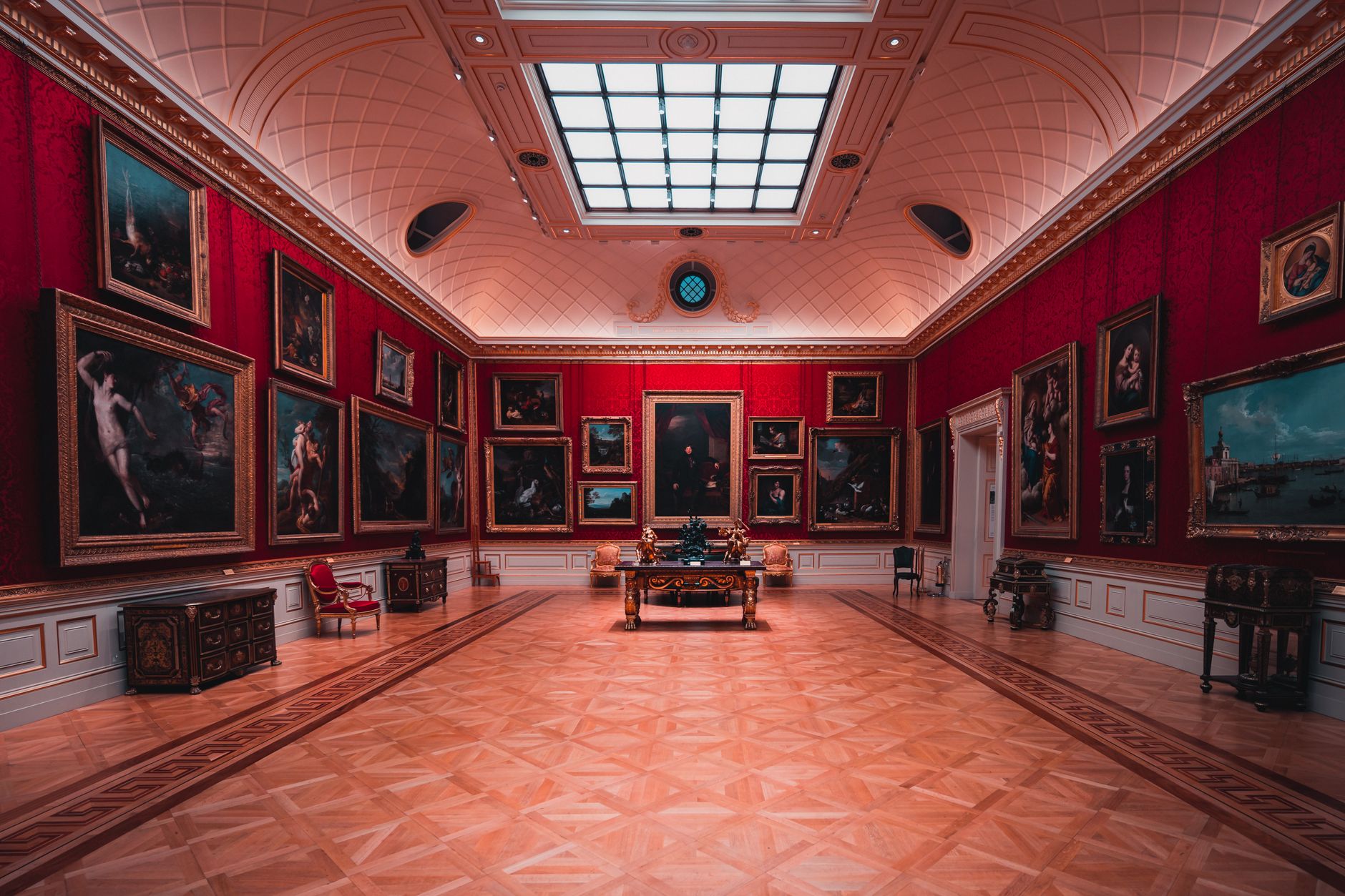

Culture in the UK is cheaper to reach than most newcomers expect. Entry to the permanent collections of the national museums is free, the biggest theatres run schemes that put tickets in the £5 to £10 range, and your local library costs nothing to join. The one thing you almost certainly do have to pay for is a TV Licence, and that catches people out in their first month. This guide explains what is free, what is discounted, what is legally required, and how to find what is on.
What is free, and what is not
Since December 2001, the permanent collections at museums sponsored by the Department for Culture, Media and Sport have been free to enter. That covers the British Museum, Tate Modern, Tate Britain, the V&A and the National Gallery, among others. You can walk in without a ticket, although the busier sites ask you to book a free timed slot in advance.
The distinction that matters is between the permanent collection and temporary exhibitions. The collection is free. The headline exhibition that a museum advertises on the Underground is usually a paid ticket, often £15 to £25. So “the British Museum is free” and “the big new show at the British Museum is free” are two different statements, and only the first one is true.
Outside England the picture varies, because culture funding is devolved. National museums in Scotland and Wales are also generally free to enter, but local authority venues anywhere in the UK set their own charges.
The TV Licence: the one you must pay
A TV Licence is a legal requirement, not an optional subscription. You need one to watch or record live television on any channel, and to use BBC iPlayer at all, including on demand. It applies to any device: a television, a laptop, a phone, a tablet.
From 1 April 2026 the annual fee is £180 for a colour licence. One licence covers everyone living at the same address, so a shared house needs one licence between the tenants, not one each, provided the tenancy is joint. If each tenant has a separate tenancy agreement for their own room, each may need their own licence.
You do not need a licence if you only ever use catch-up and streaming services that are not BBC iPlayer, and never watch anything as it is being broadcast. Netflix, Disney+ and YouTube on their own do not require a licence. If that is your situation, tell TV Licensing rather than simply not paying.
How to see theatre and exhibitions cheaply
The major venues subsidise access deliberately, and the schemes are open to anyone who qualifies, not only to British citizens.
| Scheme | Who it is for | Price | How it works |
|---|---|---|---|
| Shakespeare’s Globe, Yard standing | Anyone | £5 | Standing tickets in the open-air yard. A £5 Rush batch is released online every Friday at 11am for the following week |
| National Theatre, 16-25 tickets | Ages 16 to 25 | £5 (16-18), £10 (19-25) | Register with proof of age. Limited number per performance, so book early |
| National Theatre, Friday Rush | Anyone | £10 | Released every Friday at 1pm for the following week’s performances |
| National Art Pass (Art Fund) | Anyone | £87 per year | Free entry to 250+ museums and discounts on paid exhibitions. A cheaper Student Art Pass exists |
| Public library membership | Local residents | Free | Join through your local council with proof of address |
If you are going to see more than three or four paid exhibitions in a year, the National Art Pass usually pays for itself. If you are under 26, the age-based theatre schemes are the single biggest saving available, and they are not means-tested.
Finding what is on
Cultural listings in Britain are decentralised. There is no single official calendar. In practice, newcomers rely on three things: the venues’ own websites, the review pages of the national newspapers, and their local council’s events listings for anything smaller. Reviews matter more here than in many countries, because a well-reviewed run at a small theatre will sell out quickly while an unreviewed one will not.
Our own Culture and Arts coverage follows the major openings across theatre, music, film and exhibitions, so you can see what is being talked about before you commit to a ticket.
Practical first steps
- Sort your TV Licence. Decide whether you need one based on what you actually watch, then either buy it or declare that you do not need one. Do not leave it undeclared.
- Join your local library. It is free, it takes one visit with proof of address, and it is the cheapest cultural infrastructure in the country.
- Check your age bracket. If you are 25 or under, register with the theatres now rather than when you want a ticket. The schemes require an account before you can book.
- Book free museum slots ahead. Free does not mean walk-up at the busiest sites, especially at weekends.
Culture sits alongside the other things you set up when you arrive. If you have not yet dealt with council tax, utilities or the practical side of settling in, start with our guide to settling into life in the UK, and see our money guide for newcomers for how these regular costs fit into a UK budget.
For a recent story from the UK fair scene, read our feature on Esra Sakar, winner of the public vote at Doncaster Art Fair 2025.
Frequently asked questions
Do I need a TV Licence if I only use BBC iPlayer for catch-up?
Yes. A licence is required for any use of BBC iPlayer, including on-demand programmes you watch after broadcast. This is different from other catch-up services, which do not require a licence on their own.
How much is a TV Licence in 2026?
From 1 April 2026 an annual colour TV Licence costs £180. A black and white licence costs £60.50, though very few households still use one.
Are the national museums really free?
Entry to the permanent collections is free at the DCMS-sponsored national museums, and has been since December 2001. Temporary exhibitions are normally ticketed separately and paid for.
Can newcomers use the cheap theatre schemes?
Yes. The 16-25 schemes at the National Theatre and the £5 standing tickets at Shakespeare’s Globe are based on age or availability, not on nationality or immigration status. You will need to prove your age with a passport or driving licence for the age-based schemes.
Does one TV Licence cover a shared house?
If the tenants share a joint tenancy agreement, one licence covers the whole address. If each person has a separate agreement for their own room, each may need a separate licence. Check your tenancy agreement before assuming.
Sources: GOV.UK, TV licence fee 2026/27, TV Licensing, Art Fund, National Theatre and Shakespeare’s Globe. Prices were correct in July 2026 and are set by the organisations named, so check before you book.